

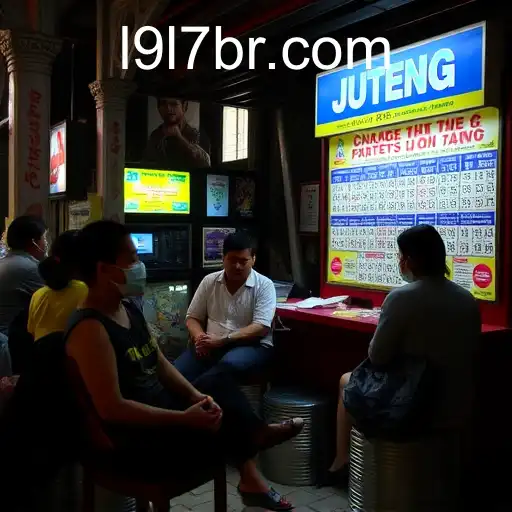
Understanding the Complex World of Jueteng
Jueteng is a pervasive and somewhat enigmatic form of illegal gambling in the Philippines. Characterized by its lottery-like nature, this numbers game holds a significant place in Filipino culture, despite its legal murkiness. Tied to economic survival for many, yet regarded as corrupt by others, jueteng presents a multifaceted dilemma that resonates deeply across various societal layers.
The Mechanics of Jueteng
Jueteng operates similarly to a local lottery where participants wager on a combination of numbers. Typically, these numbers range from one to thirty-seven, and the game's outcome is determined through a series of random draws. What sets jueteng apart from formal lotteries, however, is its informal network and operations that span various communities.
Organized by an intricate syndicate structure, jueteng is sustained by numerous small-stakes bettors, often from economically challenged backgrounds. The bettors give their chosen numbers and bets to a jueteng "kubrador" or collector, who facilitates entry into the draw. Despite offering relatively modest payouts, the widespread allure of jueteng lies in its perceived higher chances of winning compared to official lotteries.
Societal Impacts and Cultural Relevances
Jueteng's roots are deep and culturally significant, often viewed as a traditional pastime for some and an economic necessity for others. For numerous Filipinos, betting from as low as one peso offers a chance at significant, life-changing sums, which explains its enduring popularity.
Economically, jueteng serves an informal redistribution of wealth in certain communities. Winnings are used to pay bills, support families, and even fund small businesses. However, this comes at the societal cost of fostering a financial dependency that diverts funds away from essential needs and promotes a cycle of poverty linked to gambling addiction.
Jueteng and Its Legal Ambiguity
Despite being officially banned, enforcement of laws against jueteng is sporadic and often weak, largely due to local protection rackets and corruption. Law enforcement agencies regularly crack down on operations, but the elusive nature of the game, coupled with community complicity, makes it a persistent challenge.
Politically, jueteng is a thorny issue. Allegations of profits from jueteng being funneled to political campaigns and public officials are not uncommon. This results in a complicated dance between governance and law enforcement, where the lines are blurred by vested interests and political considerations.
The Struggle Against Jueteng
Efforts to eradicate jueteng have included campaigns to either legalize the game under state control or intensify crackdowns on its operations. Legalization supporters argue that regulation can allow the government to collect revenues that, in turn, fund public initiatives. They claim that proper oversight might control rampant corruption and exploitation.
On the other hand, opponents of legalization fear that such measures might legitimize and, paradoxically, encourage greater participation in gambling. Reports of economic success stories championed by jueteng undermine wider efforts to promote responsible gambling and financial prudence.
Jueteng in the Modern Era
In recent years, jueteng's prominence has been challenged by burgeoning online gambling platforms. However, the digital realm presents its own challenges of regulation and ethical dilemmas. The ease of access and relative anonymity provided by online gambling have resulted in an expanded playing field where jueteng’s influence still lingers.
Moreover, the digital penetration does not lower jueteng's immediate relevance to those in areas with limited internet access, where traditional customs prevail. These communities continue to engage in the game, dictated by personal choice and economic necessity.
Conclusion: Navigating a Complex Landscape
Jueteng embodies a unique cultural facet of the Philippines, reflecting the intricate social and economic narratives prevalent in the country. While its place as a local phenomenon cannot be understated, the ongoing struggles to regulate or eradicate it speak volumes of the broader challenges facing governance and community welfare.
The task ahead involves crafting nuanced policies that acknowledge both the human and economic facets of jueteng. As discussions continue, the resolution to the jueteng dilemma remains a significant barometer for broader systemic issues within Philippine society.